Australia’s New Mandatory 'No Further Stay' Condition (8503): What Travelers Need to Know
Effective November 28, 2026, Australia has introduced a mandatory 'No Further Stay' condition for all new visitor visa applications. Learn how this policy shift affects your travel plans and how to ensure compliance.
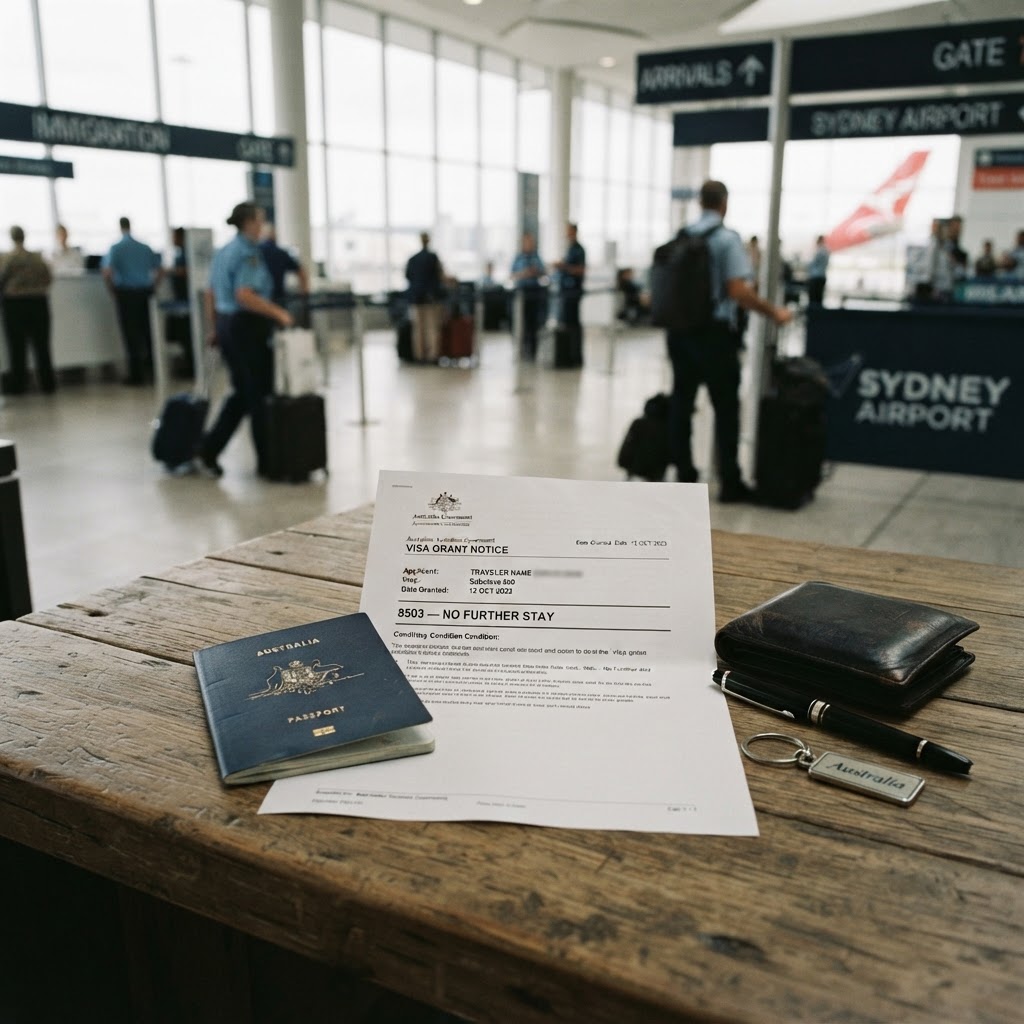
A Major Shift in Australian Travel Policy
Starting November 28, 2026, the Australian government has implemented a significant regulatory change affecting visitors entering the country. Under the Migration Amendment (Preventing Further Stay for Visitor Visas) Regulations 2026, the 'No Further Stay' condition (8503) has become mandatory for all new applications for Subclass 600 (Visitor), Subclass 601 (Electronic Travel Authority), and Subclass 651 (eVisitor) visas.
This update marks a departure from previous practices where the 8503 condition was discretionary or entirely inapplicable to ETA and eVisitor streams. For travelers and businesses alike, understanding these rules is now more critical than ever.
Understanding the 8503 'No Further Stay' Condition
The 8503 condition is a legal restriction attached to a visa that prevents the holder from being granted most other substantive visas while remaining within Australia. In essence, it forces individuals to leave the country before their visitor visa expires if they wish to transition to a different status, such as a student or work visa.
Why the Change?
The primary driver behind this policy is to curb 'visa hopping.' This term refers to the practice of individuals entering Australia on a visitor visa and subsequently applying for other substantive visas while remaining onshore. By enforcing this condition across all major visitor streams, the Australian government aims to uphold the integrity of its migration system.
Who Is Affected?
The new regulations apply specifically to applications lodged on or after November 28, 2026. If you were granted a visa or submitted an application before this date, your status remains unaffected by these specific updates.
Key visa classes impacted include:
- Subclass 600 (Visitor visa)
- Subclass 601 (Electronic Travel Authority)
- Subclass 651 (eVisitor)
This policy does not prevent you from applying for other visas; however, it mandates that you must be outside of Australia to lodge such applications.
Are There Any Exceptions?
While the 8503 condition is now mandatory, there are limited pathways for consideration under truly compelling or compassionate circumstances. It is important to note that these waivers are not automatic.
Travelers must provide substantial evidence that their circumstances changed after they were granted the visa and that the situation is beyond their control. Relying on a waiver is not a recommended strategy for long-term planning, as success is never guaranteed.
How Fluxir Simplifies Travel Compliance
Navigating shifting migration policies can be complex for individual travelers and corporate travel managers. At Fluxir, we provide the tools to help you stay ahead of these changes effortlessly.
Whether you are using our 'eVisa by Chat' for real-time guidance on current entry requirements or our 'eVisa by API' to integrate compliance checks into your own travel platform, we ensure that you are always informed. Our platform is designed to demystify complex regulations so you can focus on your journey rather than bureaucratic hurdles.
Conclusion: Stay Prepared and Compliant
The introduction of the mandatory 8503 condition is a reminder that travel regulations are always evolving. When planning your next trip to Australia, always ensure that your travel intent aligns with your visa conditions to avoid any complications during your stay.
For the latest updates and streamlined visa processing, visit https://app.fluxir.com to manage your travel compliance with confidence.