The 'Digital Border' Era: Navigating the New Complexity of EU Travel for Business and Leisure
Europe's border landscape has fundamentally changed with the EES rollout and pending ETIAS requirements. Learn how to navigate these digital shifts with automated compliance.
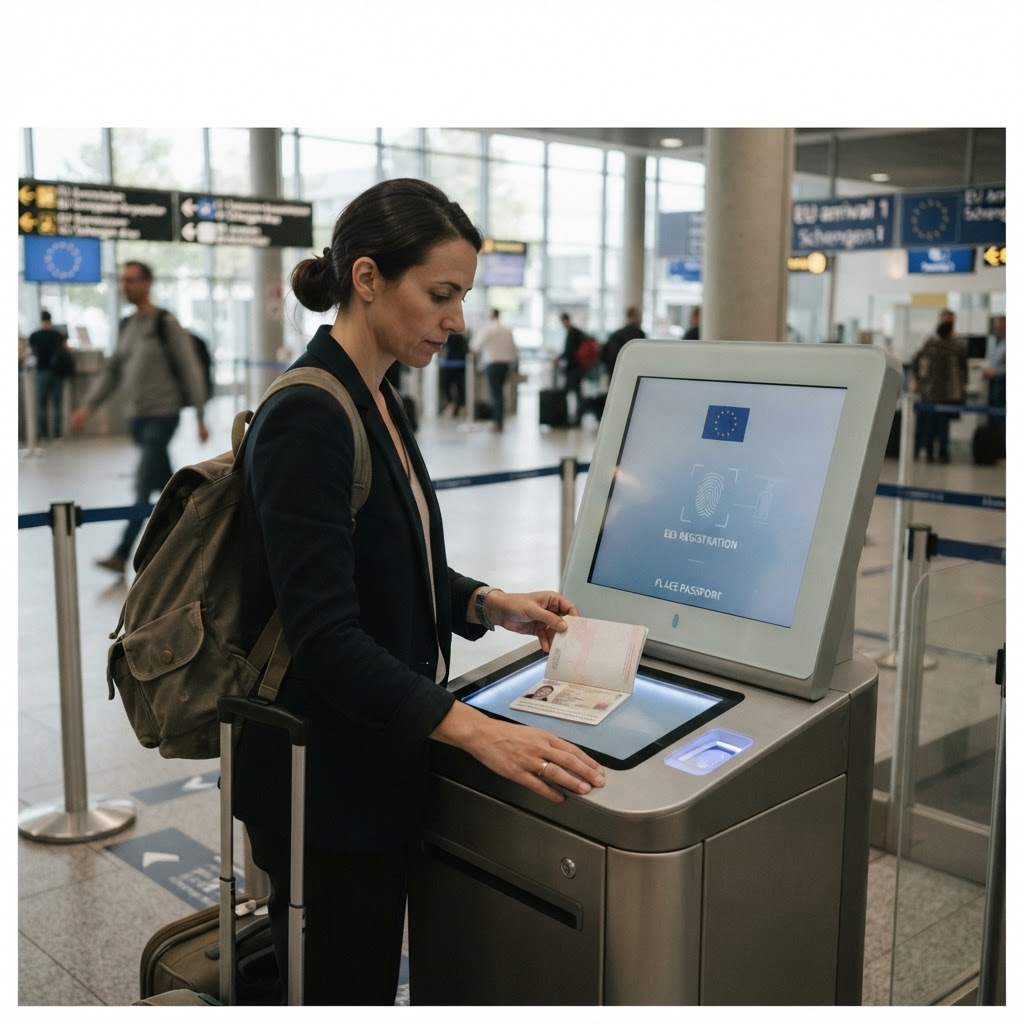
A New Era for European Travel
As of late August 2026, the European travel landscape has undergone its most significant transformation in decades. The days of manual passport stamps are fading, replaced by an automated, biometric-driven reality known as the 'Digital Border.' For frequent travelers, HR managers, and travel management companies (TMCs), this shift represents more than just a procedural change—it is a fundamental pivot in how we approach international mobility.
Understanding the EES Reality
The Entry/Exit System (EES) became fully operational across 29 Schengen countries in April 2026. This system mandates the collection of biometric data—specifically facial images and fingerprints—for every traveler entering or exiting the Schengen area at external borders.
While this system enhances border security, it has introduced new friction at major entry hubs. Travelers should anticipate longer processing times during the initial verification phases. Preparation is no longer optional; it is a prerequisite for a smooth arrival.
The ETIAS Status Update
Many travelers have been closely monitoring the European Travel Information and Authorisation System (ETIAS). While industry speculation previously pointed toward a late 2026 launch, current reports suggest a 2027 timeline is more realistic.
However, the exact date is secondary to the reality of the global trend. Whether it is the UK's new electronic travel authorization system (launched in February 2026), Israel’s ETA-IL, or expanded e-Visa programs in Nigeria and Vietnam, the world is moving toward digital pre-authorization. Relying on paper-based legacy workflows is no longer a viable strategy for business or leisure travel.
The New Duty of Care
For HR teams and corporate mobility managers, the 'Digital Border' creates a heightened Duty of Care responsibility. Failure to secure the correct digital authorization before departure can lead to immediate denied boarding or entry. This disruption ripples across business continuity, potentially canceling high-stakes meetings and derailing project timelines.
Transitioning from manual compliance checks to automated verification is the only way to mitigate this risk. In this new era, your compliance strategy must be as agile as your travel itinerary.
Navigating Complexity with Fluxir
Fluxir acts as your Compliance Navigator in this increasingly fragmented regulatory environment. We help businesses and individuals move away from the 'fear of the unknown' and toward structured, automated preparedness.
Our infrastructure functions as the essential middleware for travel platforms, OTAs, and HR departments. Here is how we bridge the gap:
- eVisa by API: We integrate directly into your existing travel tech stacks, providing real-time compliance checks.
- eVisa by Chat: Our AI-powered guidance ensures travelers understand exactly what they need, exactly when they need it.
- Strategic Automation: We translate complex, ever-changing global regulations into seamless, automated workflows that keep travelers moving.
By leveraging our tools, you can ensure that your compliance status is verified before the traveler reaches the airport, effectively eliminating the guesswork.
Conclusion: Embracing Digital Infrastructure
The era of the 'Digital Border' is not something to be feared; it is something to be managed. By embracing automation and staying informed, you can turn regulatory complexity into a competitive advantage. Do not wait for the next travel disruption to rethink your compliance strategy.
Ready to streamline your global mobility? Visit app.fluxir.com to see how we are building the future of seamless, compliant travel.