Libya Suspends Visa on Arrival for Air Travelers: What You Need to Know
Libya has officially suspended its visa-on-arrival program for all air travelers as of June 2026. Discover how this policy shift affects your travel plans and how to stay compliant.
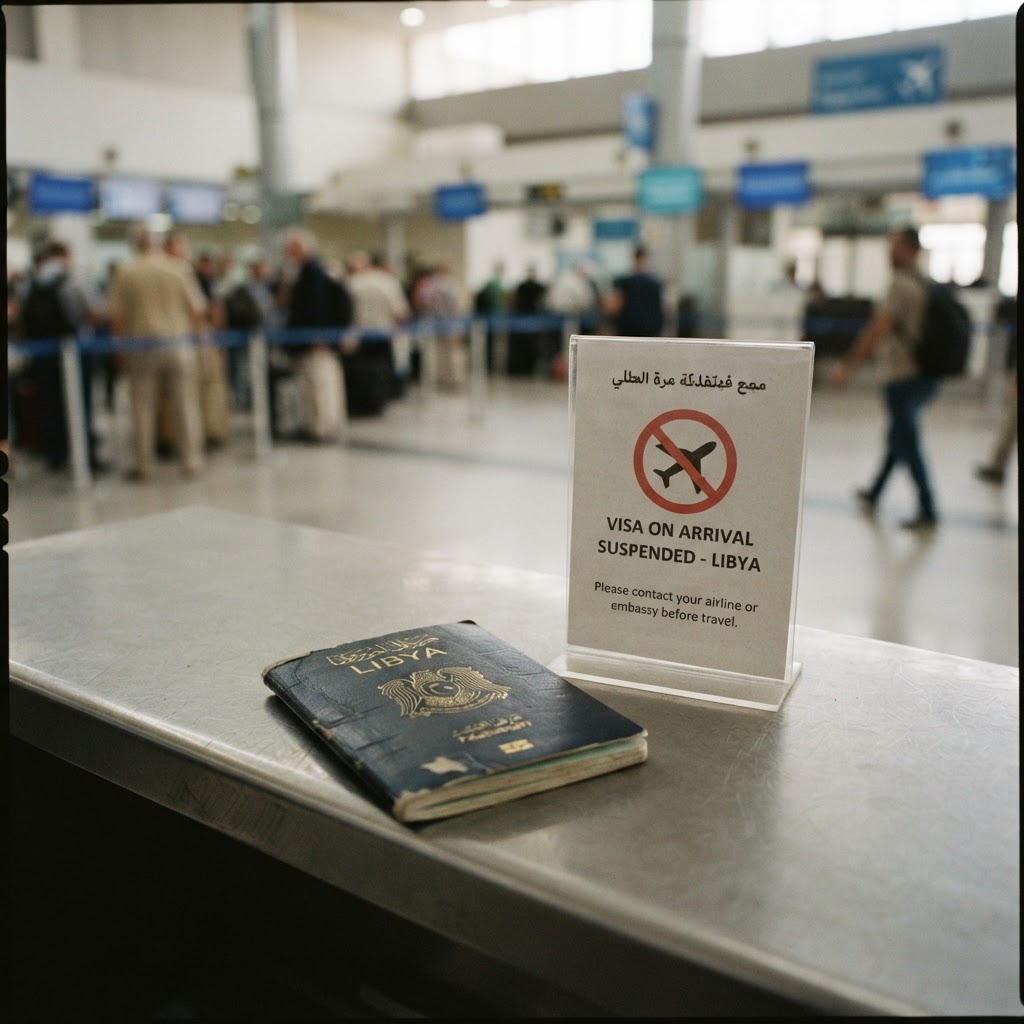
A Major Shift in Libyan Entry Protocols
Effective June 9, 2026, the Libyan Government of National Unity (GNU) has implemented a significant change to its international border policy. The country has officially suspended the visa-on-arrival system for all air travelers arriving in Libya.
This immediate policy change is part of a broader, government-wide initiative aimed at bolstering national border security. By tightening control over the entry of foreign nationals, Libyan authorities hope to mitigate risks related to documentation forgery and the misuse of existing transit privileges.
Why Has the Policy Changed?
The decision to halt visa-on-arrival services was communicated through an official circular issued by the Libyan authorities. The Ministry of Interior, alongside the Passports, Nationality and Foreigners Affairs Authority, has been tasked with a critical mission: restructuring the nation's entry framework.
Key Objectives of the Suspension:
- Enhanced Border Security: Strengthening the vetting process for all incoming visitors.
- Fraud Prevention: Reducing incidents of visa forgery and unauthorized document use.
- Standardization: Moving toward a more robust, centralized digital verification system.
The authorities have been given a 30-day window from the date of the circular to propose a new, more secure visa issuance framework. During this transition period, the former convenience of obtaining a visa upon landing at Libyan airports is no longer a viable or reliable option.
Impact on International Travelers
For business travelers, diplomats, and aid workers who frequent the region, this news requires an immediate shift in travel strategy. Relying on an "on-arrival" entry is no longer permitted, and attempting to travel without prior authorization will almost certainly result in denied boarding or immediate entry refusal at the destination.
Essential Steps for Future Travel:
- Verify Requirements: Always check with the nearest Libyan embassy or consulate before booking flights.
- Avoid On-Arrival Assumptions: Assume that no visa-on-arrival facilities are active for your port of entry.
- Monitor Advisory Warnings: Consult your national travel advisory service (such as the UK’s FCDO) as certain regions in Libya continue to face high-security warnings.
Important Distinction: The e-Visa Status
It is vital for travelers to distinguish between the suspended visa-on-arrival process and the established e-Visa system. The Libyan e-Visa system, which was successfully launched in March 2024, remains fully operational and distinct from these recent changes.
If you are planning to travel to Libya, exploring the official e-Visa portal should be your first point of action. This system provides a more structured, pre-verified approach to entry, which aligns with the government's new security-focused objectives.
How Fluxir Navigates Travel Complexity
In an era of rapidly changing international regulations, staying compliant can feel like a full-time job. At Fluxir, we provide the infrastructure to simplify these complexities, whether you are a solo traveler or an international enterprise.
Our platform integrates several key services to keep your journey smooth:
- eVisa by Chat: Use our AI-powered assistant to get real-time guidance on the latest entry requirements for Libya and other destinations.
- eVisa by Web: Our intuitive portal allows for streamlined digital visa applications, reducing the risk of errors that could lead to delays.
- Fluxir Enterprise API: Businesses managing international teams can plug into our API for real-time compliance updates and automated documentation workflows.
- Travel Insurance & Services: Beyond visas, we offer comprehensive travel insurance and premium airport fast-track services to ensure your safety and comfort throughout the trip.
Conclusion and Next Steps
The suspension of visa-on-arrival in Libya serves as a reminder that travel regulations are fluid. While these measures are designed to enhance national security, they place an added burden on the traveler to plan ahead and verify status changes.
Before you book your next flight to Libya, ensure you have secured the proper entry documentation well in advance of your departure date. Stay informed, remain flexible, and use trusted resources to manage your compliance requirements.
For assistance with your upcoming travel requirements and to stay updated on global visa changes, visit https://app.fluxir.com to start your application or consult with our team.