Navigating the 'Digital-First' Border: What the Lapse of EES Flexibility and ETIAS Delays Mean for 2027 Travel Planning
With EES flexibility ending and ETIAS delayed, the European travel landscape is shifting. Discover how to transition from reactive travel management to proactive digital compliance for 2027.
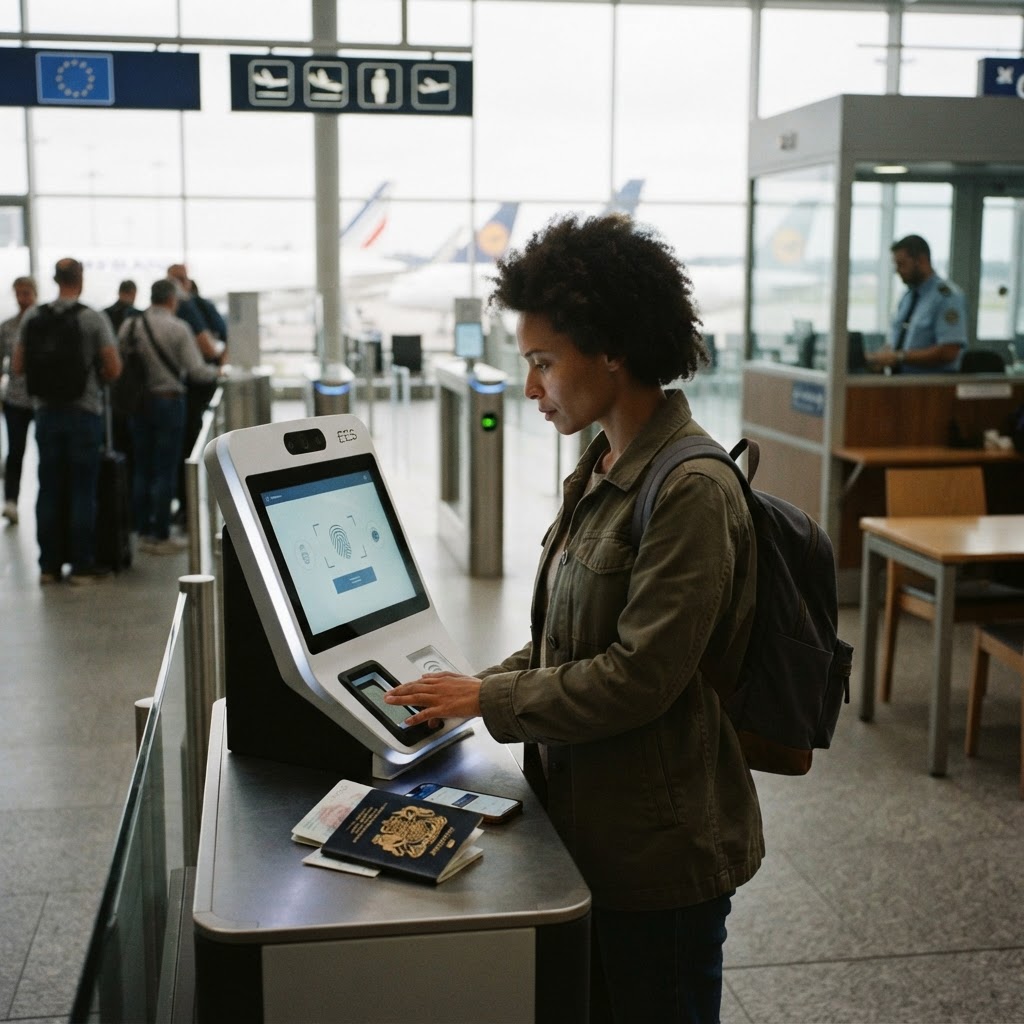
A New Era of Border Control
The European travel landscape is undergoing a profound transformation. As of September 6, 2026, the temporary "flexibility" measures regarding biometric registration for the Entry/Exit System (EES) have officially expired. Combined with the recent announcement that the ETIAS (European Travel Information and Authorization System) launch will shift into 2027, travel managers and global mobility teams find themselves at a critical crossroads.
These developments are not merely administrative hurdles; they signal the end of traditional, manual border processing. We are entering a "digital-first" era where border management is synonymous with data verification. For organizations, this is the perfect window to pivot from reactive compliance to a proactive, resilient travel strategy.
The End of EES Flexibility: What to Expect
The expiration of EES flexibility means that EU Member States are now fully expected to enforce stringent biometric registration for third-country nationals. This transition effectively ends the "soft launch" period that previously helped keep border queues manageable.
Travelers should expect increased friction at major Schengen entry points. While the technology is designed to streamline security, the initial rollout and the volume of passengers will likely lead to unpredictable wait times. For corporate travel managers, this necessitates a re-evaluation of travel schedules. It is no longer safe to assume quick transit; buffer times for international arrivals must be adjusted accordingly.
ETIAS Delays: An Unexpected 'Grace Period'
The delay of the ETIAS launch is arguably a gift for unprepared organizations. While the delay provides breathing room, it should not be treated as a reason to delay action. Instead, view this as an extended grace period to audit your current travel readiness.
Most corporate profiles are currently ill-equipped for the requirements of an automated authorization system. Use this time to clean up employee documentation, verify passport validity across your workforce, and standardize your digital record-keeping. When the portal finally goes live in 2027, those who have spent this time preparing will face minimal disruption compared to those who wait until the last minute.
The Global Trend: The Rise of the 'Digital-Only' Status
Beyond Europe, the United Kingdom’s transition toward a fully digital eVisa system illustrates a permanent global shift. The era of physical visa stamps and paper-based immigration proofs is coming to an end. This "digital-by-default" approach means that your status is tethered entirely to your digital record.
This shift creates a new burden of proof for the traveler. You are no longer just responsible for your physical documents; you are responsible for ensuring that your digital profile correctly reflects your legal status in real-time. Failure to align these records can lead to denied boarding or complications at immigration, regardless of how many physical documents you carry.
How Fluxir Supports Your Digital Transition
Navigating this shifting terrain requires more than just awareness; it requires the right technology. At Fluxir, we provide the infrastructure to handle the complexities of a digital-first border environment. Whether you are an individual traveler or managing a global workforce, our solutions bridge the gap between regulatory complexity and operational ease.
- Visa Guidance & Automation: Our 'eVisa by Web' and 'eVisa by Chat' platforms provide instant, accurate guidance on entry requirements, ensuring your digital profile is always audit-ready.
- Enterprise Scalability: With 'eVisa by API', we integrate directly into your existing travel management software, allowing for seamless visa processing at scale.
- Resilience Services: From 'Fluxir Insurance' to 'Airport Lounges & Fast Track', we ensure that even when border friction increases, your travel experience remains productive and comfortable.
Building a Resilient Travel Roadmap for 2027
To prepare for the reality of 2027, consider these three strategic pillars:
- Data Centralization: Audit all employee travel profiles now. Ensure that biometric data and identity documentation are stored in a secure, centralized digital repository.
- Policy Overhaul: Update your travel policies to account for potential border delays. Educate your team on the importance of digital compliance and the shift away from physical documentation.
- Tech Partnerships: Stop relying on manual tracking. Implement automated solutions that provide real-time updates on visa and entry requirements to avoid last-minute crises.
Conclusion
The landscape is complex, but it is not unmanageable. By viewing these regulatory changes as an opportunity to modernize your digital infrastructure, you can ensure that your organization stays ahead of the curve. Don’t wait for the systems to go live to test your readiness—start building your digital compliance strategy today.
Visit https://app.fluxir.com to explore our tools and ensure your team is ready for the digital-first border.