New Visa Application Process for Indian Travellers to China: A Complete Guide
Significant changes have arrived for Indian travellers applying for Chinese visas as of October 2026. Discover how the new direct-to-embassy system works and how to stay compliant.
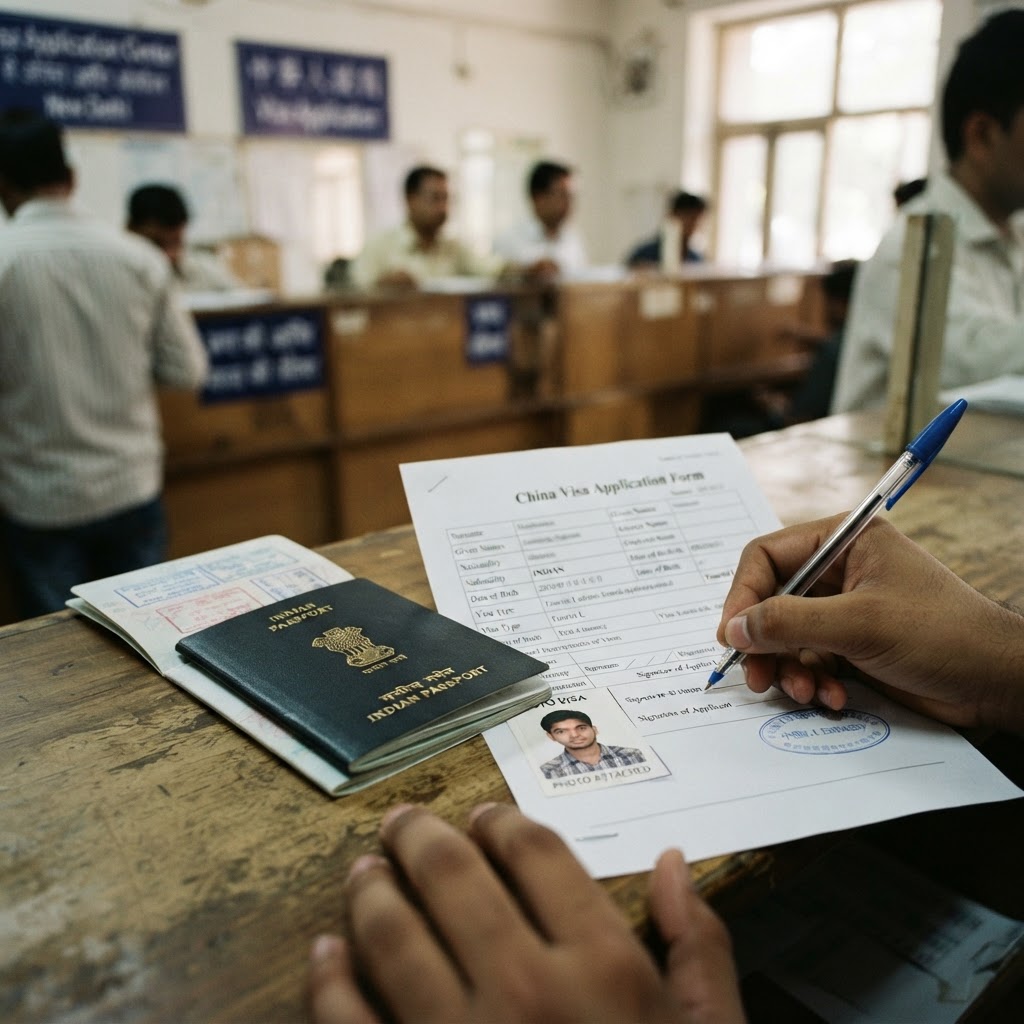
A Major Shift in China Visa Procedures
Starting October 26, 2026, the Chinese government introduced a fundamental shift in how Indian nationals secure travel visas and consular legalisation. The most notable change is the total closure of third-party Chinese Visa Application Centres across India.
Travellers must now navigate a direct-submission model. This move is designed to streamline communication between the applicant and the state, while simultaneously removing the additional service fees previously imposed by private processing centres.
Understanding the New Submission Workflow
The transition requires a change in mindset for those accustomed to using intermediaries. The process is now strictly managed by official diplomatic missions.
1. Online Application and Pre-screening
Every application must start via the official Chinese Ministry of Foreign Affairs visa portal. You are required to complete the digital application in full before submitting it for an online review. Once the review is successful, you will receive an email notification granting you authorization to proceed with in-person document submission.
2. Direct-to-Mission Submission
Applications must be submitted directly to either the Embassy of the People's Republic of China in New Delhi or the Consulate General of China in Mumbai. You can no longer rely on third-party service providers to handle the delivery of your physical paperwork.
3. Strict Jurisdictional Requirements
Location matters more than ever. The Mumbai Consulate General is now the exclusive point of service for residents of Maharashtra and Karnataka. If you reside in other areas, the Embassy in New Delhi remains your primary contact point. Notably, services previously managed by the Kolkata Consulate General are now temporarily centralized in New Delhi.
Key Documentation and Financial Implications
The removal of third-party service fees is a welcome change for many travellers, potentially lowering the total cost of your trip. However, be aware that any fees paid for applications submitted prior to October 26, 2026, remain non-refundable and will not be transferred to the new system.
Essential Document Checklist
- Photographs: Ensure you provide recent colour photographs measuring exactly 48 mm x 33 mm.
- Consular Legalisation: Any documents requiring legalisation must first undergo prior notarisation and subsequent authentication by the Indian Ministry of External Affairs.
- Accuracy: Given the direct nature of this process, any missing or incorrect documentation may result in immediate rejection, as there is no intermediary to catch errors before they reach consular staff.
Simplifying Compliance with Fluxir
Navigating shifting diplomatic regulations can be complex, especially when processes move from outsourced centres to direct governmental portals. Fluxir bridges this gap by providing clarity and technological support for your travel needs.
Whether you are an individual traveller or an HR manager overseeing corporate mobility, Fluxir’s suite of services—including eVisa by Chat and our comprehensive travel insurance—ensures you remain compliant despite changing rules. By utilizing our expert-backed resources, you can avoid the common pitfalls of direct-submission visa applications and focus on your trip.
Conclusion
While the shift to direct submission may initially seem daunting, it offers a more streamlined and cost-effective path for Indian travellers heading to China. By following the Ministry of Foreign Affairs portal guidelines and adhering to strict jurisdictional rules, you can ensure a smooth application experience.
For ongoing support and to keep your travel documentation in perfect order, explore our range of solutions at Fluxir.